

Farm business management it integrates agricultural sciences (agronomy, animal science) with economic principles to navigate the unique risks of farming, such as weather and market volatility.
- Teacher: Richard Yahuma Amwok
- Teacher: HILARY OTEMBA
Institution Name: Hilary Technical Training Institute (HTTI)
Type of Institution: Technical and Vocational Education and Training (TVET) Institution
Hilary Technical Training Institute is a skills-based institution established to provide high-quality technical, vocational, and entrepreneurial education. The institute equips learners with practical competencies in agriculture, business, and technical trades to promote employment, self-reliance, and sustainable socio-economic development.
To be a leading centre of excellence in technical and vocational education, producing innovative, competent, and market-ready graduates in agriculture, business, and technical fields.
To provide accessible, high-quality training in technical, agricultural, and business disciplines using competence-based education, industry collaboration, and practical innovation to meet labour market demands.
Integrity and professionalism
Excellence in training and practical skills
Innovation and creativity
Accountability and transparency
Inclusivity and lifelong learning
HTTI offers a wide range of courses, including:
Farm Business Management (diploma and certificate levels)
Horticulture and crop production
Livestock management
Agribusiness and entrepreneurship
Technical trades and artisan skills
ICT and business studies
Short courses and skills upgrading programmes
Course Overview:
The Farm Business Management course equips learners with competencies to plan, manage, and evaluate farm enterprises efficiently. It covers farm planning, resource allocation, budgeting, supervision, and performance evaluation to ensure profitability and sustainable productivity in both smallholder and commercial farming contexts.
Learning Outcomes:
By the end of the course, learners will be able to:
Develop farm goals, objectives, and enterprise plans
Allocate and manage farm resources (financial, human, and physical)
Apply leadership and motivation strategies for farm staff
Conduct cost-benefit analysis and budgeting for farm enterprises
Monitor and evaluate farm performance and adjust plans for efficiency
Target Learners:
School leavers interested in agricultural business
Existing farmers seeking skills to improve farm profitability
Entrepreneurs in agribusiness
Professionals seeking skills upgrading in farm management
Competence-based and learner-centred
Integration of theory, practical farm work, and industrial attachment
Continuous assessment and portfolio development
Case studies and real-world farm simulations
Demonstration farms and workshops
ICT-enabled classrooms for blended learning
Qualified agricultural and business instructors
LMS for online content, assignments, and assessments
Graduates of the Farm Business Management course at HTTI will be able to:
Apply practical farm management and business principles
Run profitable and sustainable farm enterprises
Supervise and train farm staff effectively
Make informed financial and operational decisions in agribusiness
Access further training or higher education in agriculture and business
Links of interest:
Educational psychology is scientific study of how humans learn in educational settings. It applies psychological theories to improve instructional processes, classroom management, and student motivation.

E-learning, or electronic learning, is the delivery of education and training through digital resources such as computers ,tablets , or smartphones. It leverages the internet and information and communication technology (ICT) to provide a flexible environment where teaching and learning can occur anytime and anywhere.
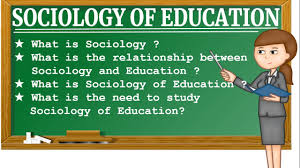
The sociology of education is the study of how public institutions and individual experiences affect education and its outcomes.It treats education as a social institution that both reflects and shapes the broader society.
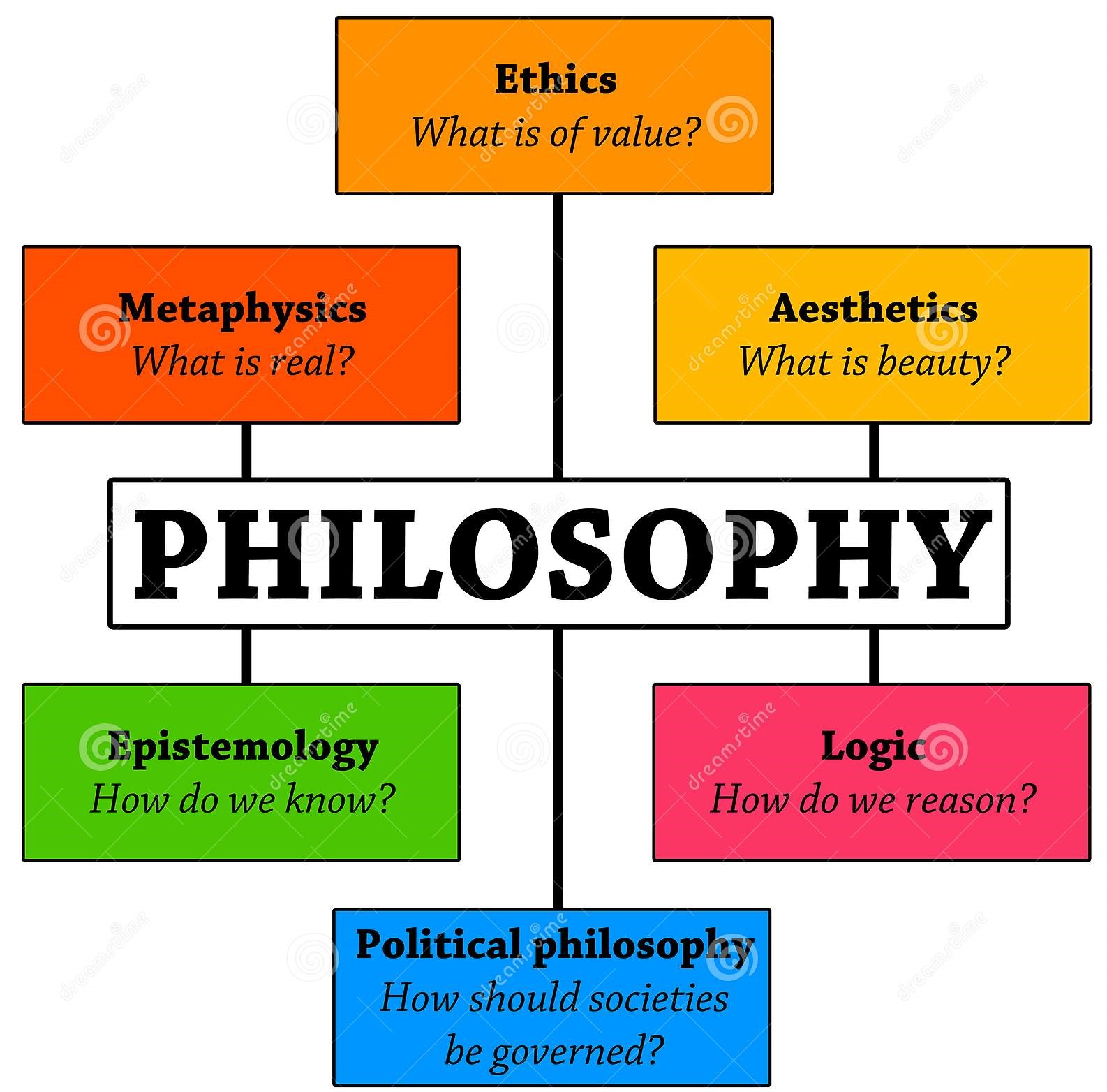
Philosophy is the systematic study of fundamental questions about existence, knowledge, values, and reason. In the context of education and e-learning, it serves as a framework for why and how we teach, shifting from traditional models to more dynamic, digital-first approaches.
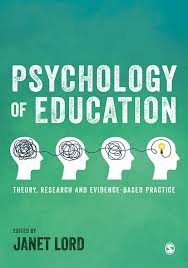
Psychology is the scientific study of the mind and behavior. It explores how internal mental processes—such as thoughts, memories, and emotions—interact with external environments to shape human actions.
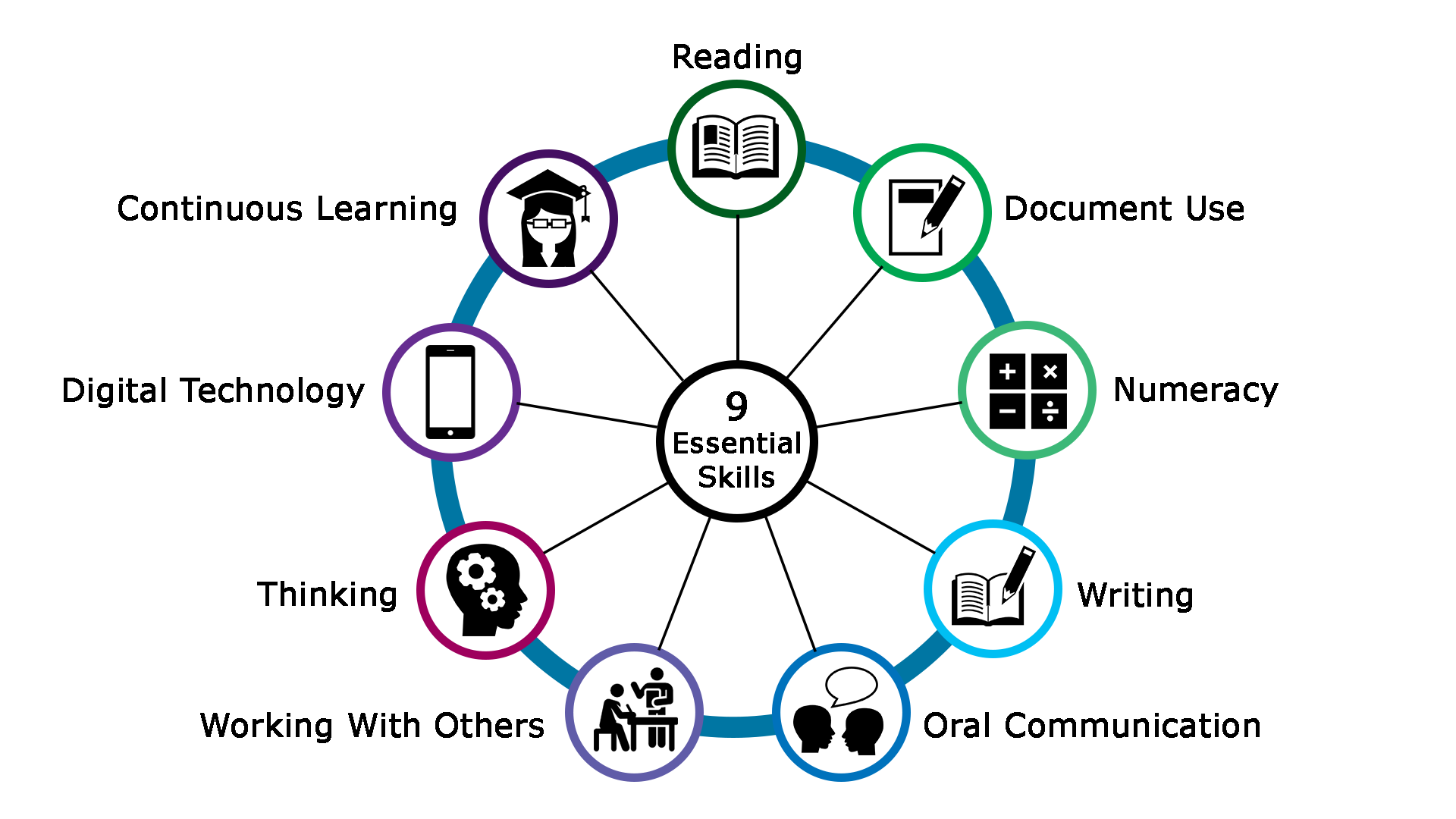
Essential skills in e-learning depend on your role: learners need self-management to stay on track, while professionals (designers/educators) need a mix of creative and technical expertise to build effective courses.

E-learning, or electronic learning, is the delivery of education and training through digital resources such as computers, tablets, or smartphones. It leverages the internet and information and communication technology (ICT) to provide a flexible environment where teaching and learning can occur anytime and anywhere.
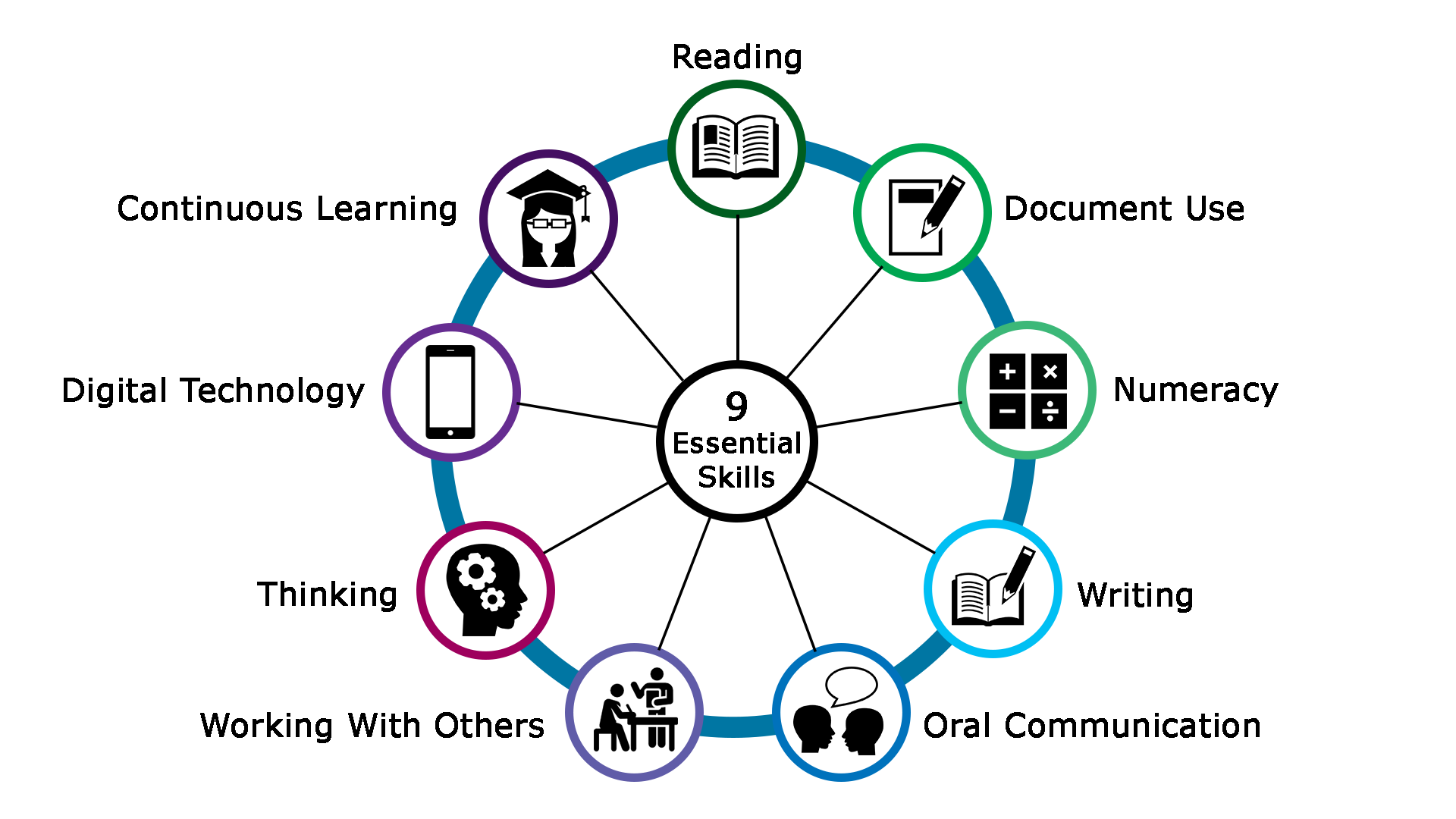
Essential skills in e-learning depend on your role: learners need self-management to stay on track, while professionals (designers/educators) need a mix of creative and technical expertise to build effective courses